Nevada Supreme Court Warns Public About Fake Court Enforcement Notice Scam
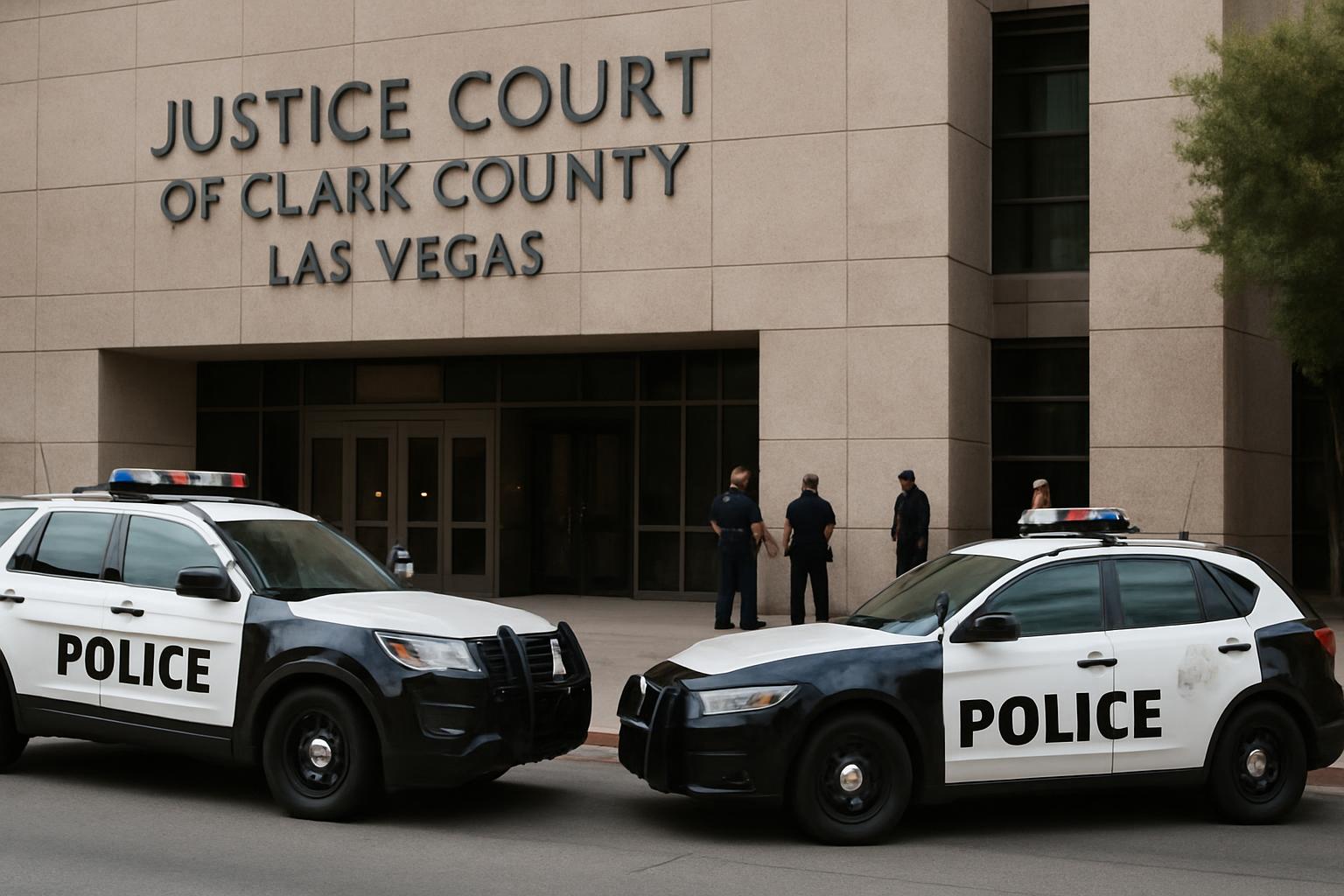
The fraudulent document threatens recipients with fines, license suspension, or collections activity and may include a QR code or payment link.
The Supreme Court of Nevada has issued a public warning about a fraudulent document circulating in the Las Vegas area that falsely claims to be a 'Final Notice-Court Enforcement Action.' The notice references the 'Justice Court of the County of Clark Traffic Division' and threatens recipients with fines, license suspension, or collections activity. Nevada courts do not issue legal notices in this manner, officials say.
What the Fraudulent Notice Contains
The scam document identifies itself as a 'Final Notice-Court Enforcement Action' and includes references to the 'Justice Court of the County of Clark Traffic Division.' Recipients are threatened with fines, license suspension, or collections activity if they do not respond.
The notice may also include a QR code or a payment link designed to collect personal or financial information from unsuspecting recipients. According to the court, Nevada courts do not issue legal notices in this manner, nor do they demand payment through QR codes.
What Recipients Should Do
Anyone who receives this notice is urged not to scan the QR code or click on any links contained in the document. Recipients should not provide personal or financial information and should delete the message immediately.
If there are any concerns about court matters or traffic citations, the public is advised to contact the appropriate court directly rather than responding to the notice. Fraudulent messages can be reported to the Federal Trade Commission at reportfraud.ftc.gov.
What we know
- The Supreme Court of Nevada issued a statement warning the public about a fraudulent notice claiming to be a 'Final Notice-Court Enforcement Action.'
- The fraudulent document includes references to the 'Justice Court of the County of Clark Traffic Division.'
- The notice threatens recipients with fines, license suspension, or collections activity.
- The document may include a QR code or a payment link.
- Nevada courts do not issue legal notices in this manner, nor do they demand payment through QR codes.
- Fraudulent messages can be reported to the FTC at reportfraud.ftc.gov.
Why it matters
Scams impersonating government courts are particularly dangerous because they exploit fear of legal consequences to pressure victims into acting quickly without verifying the notice's legitimacy. Clark County residents who receive traffic citations or have pending court matters may be especially vulnerable to this type of fraud. The Supreme Court of Nevada's public warning signals that the fraudulent notices are circulating widely enough to warrant an official response, making community awareness a key line of defense.
What’s next
The Supreme Court of Nevada has directed anyone with concerns about court matters or traffic citations to contact the appropriate court directly. Members of the public who have already received the fraudulent notice are encouraged to report it to the Federal Trade Commission at reportfraud.ftc.gov. No additional court proceedings or legislative actions related to this scam have been announced at this time.
Frequently asked questions
What is the Nevada court enforcement notice scam?
It is a fraudulent document falsely claiming to be a 'Final Notice-Court Enforcement Action' that references the 'Justice Court of the County of Clark Traffic Division' and threatens recipients with fines, license suspension, or collections activity.
Do Nevada courts send payment requests through QR codes?
No. According to the Supreme Court of Nevada, Nevada courts do not issue legal notices in this manner, nor do they demand payment through QR codes.
What should I do if I receive this fraudulent court notice?
Do not scan the QR code or click any links, do not provide personal or financial information, and delete the message immediately. Contact the appropriate court directly if you have concerns about a real court matter.
Where can I report the fake court enforcement notice?
Fraudulent messages can be reported to the Federal Trade Commission at reportfraud.ftc.gov.